OEM & ODM
OEM and ODM are two fundamental manufacturing models that shape how products reach the market, yet many business owners struggle to understand the distinction between them. Whether you're launching a new product line, scaling your business, or exploring manufacturing partnerships, knowing the difference can significantly impact your strategy and bottom line.
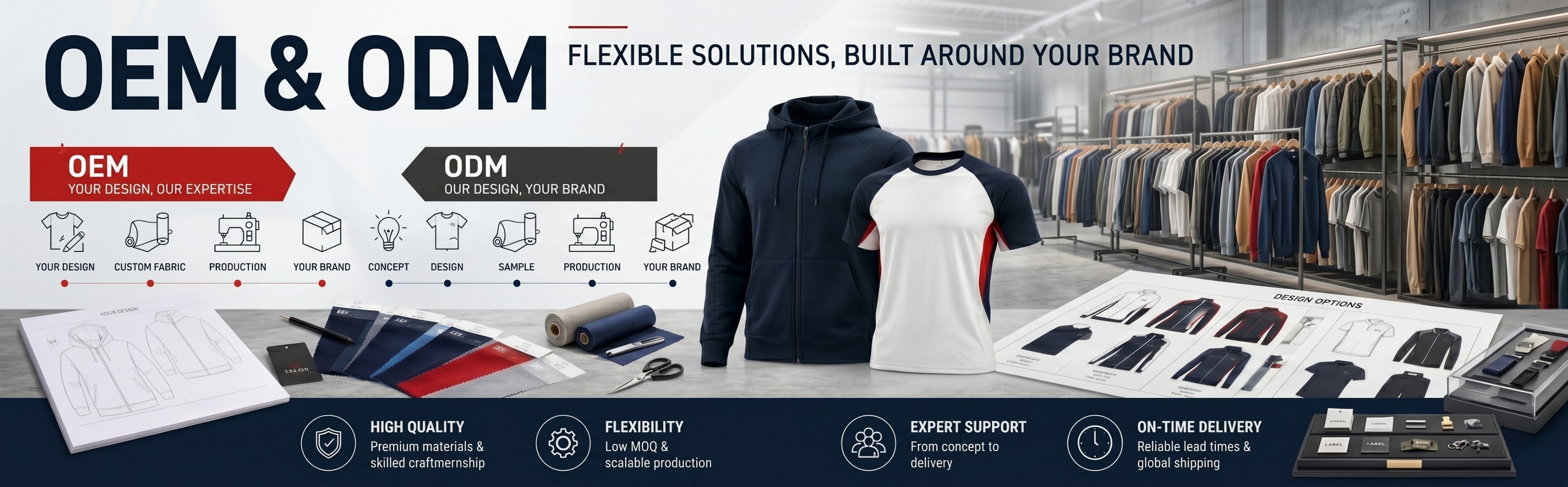
Understanding OEM ManufacturingOEM stands for Original Equipment Manufacturer. In this arrangement, you provide a manufacturer with your product design, specifications, and requirements, and they handle the production. The manufacturer becomes an extension of your production team, building exactly what you've designed while your brand takes center stage on the finished product. This model gives you complete control over product features, quality standards, and design elements. You're essentially outsourcing the manufacturing process while maintaining full ownership of the product concept and brand identity.
Understanding ODM ManufacturingODM stands for Original Design Manufacturer. This model combines both design and manufacturing under one roof. An ODM partner doesn't just build your product—they create it from the ground up. They handle everything from initial concept and engineering to final production, then sell you the finished goods, often with options for custom branding. This approach eliminates the need for you to develop detailed specifications or invest in design resources upfront.
The Core Differences ExplainedThe fundamental difference centers on design responsibility. With OEM, you own the design and the manufacturer executes it. With ODM, the manufacturer owns the design and you purchase their creation. OEM requires you to invest time and resources in product development but offers complete customization and control. ODM requires less upfront investment and gets products to market faster, but you have less say in the design process. OEM typically involves higher minimum order quantities and longer lead times, while ODM often provides more flexibility for smaller orders and quicker turnaround.
When to Choose OEMSelect OEM when you have a clear product vision, unique design requirements, or a competitive advantage built into your product's specifications. OEM works best for established brands with proven demand, products requiring significant customization, or when differentiation through design is critical to your market position. If you're willing to invest in product development and need full control over every aspect of your product, OEM is the right choice.
When to Choose ODMODM is ideal when you're entering a new market quickly, testing product concepts before committing significant resources, or launching with limited capital. Choose ODM if you want to focus on marketing and sales rather than product development, or if you're looking to expand your product range without building in-house design capabilities. ODM also works well for businesses that want to offer multiple product variations without managing complex manufacturing specifications.
Hybrid ApproachesMany successful businesses don't choose one model exclusively. They use ODM to quickly launch new product categories and test market demand, then transition to OEM for bestsellers where design refinement and differentiation become priorities. This hybrid strategy balances speed-to-market with long-term brand control and product innovation.

Talon Shopが執筆